
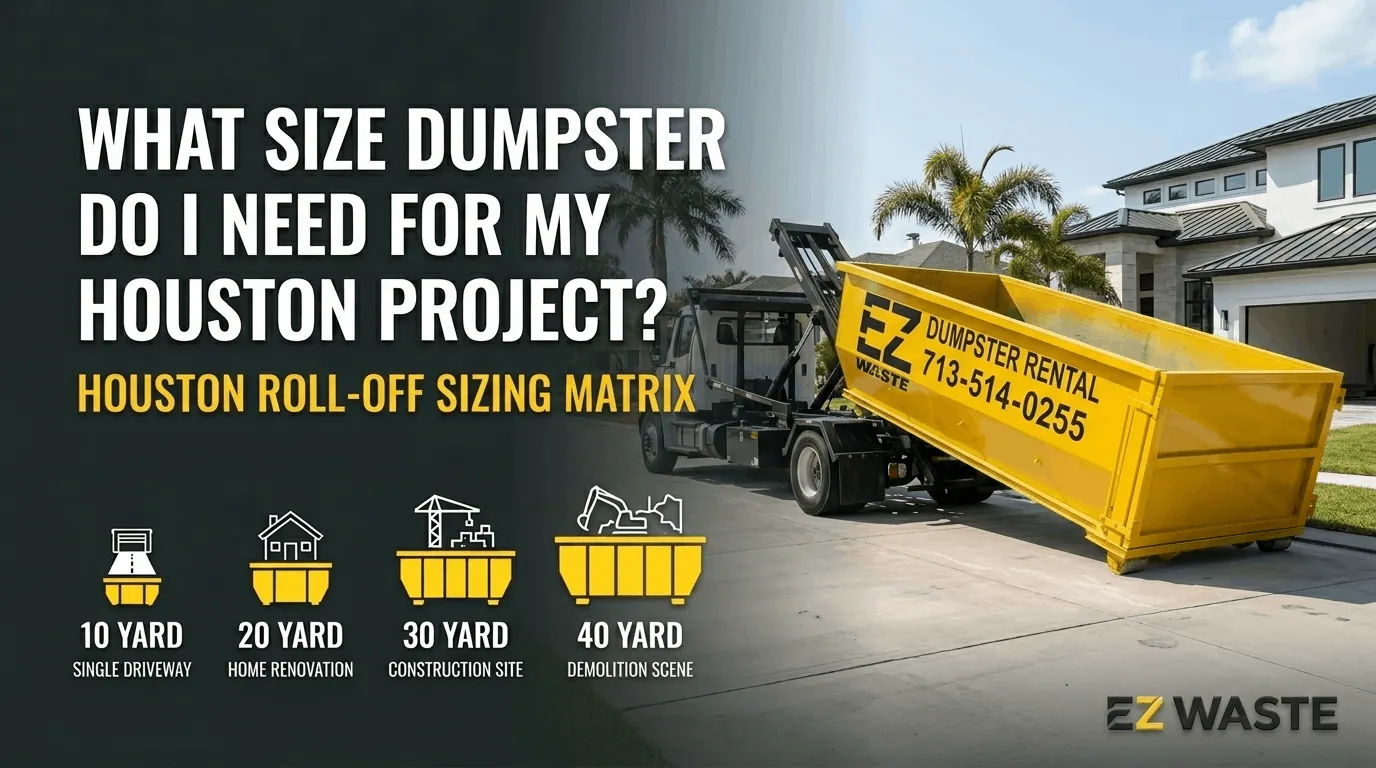
Embarking on a property cleanout, home remodeling job, or large-scale commercial development in the Houston area requires careful logistical planning. One of the most critical decisions that can impact your timeline and budget is selecting the right roll-off dumpster capacity. Asking yourself what size dumpster do i need before scheduling a delivery helps you avoid dual delivery fees, overloading penalties, and neighborhood property damage.
Estimating your junk or construction debris volume accurately can be challenging if you are visualizing loose items versus tightly packed waste. Choosing an ideal capacity requires a balance between the physical dimensions of your workspace and the weight thresholds of the discarded materials. To streamline your project management planning, this comprehensive dumpster size guide breaks down the precise capacities, project matching criteria, and spatial considerations necessary to make an informed choice.
The Dimensions and Capabilities of Modern Roll-Off Bins
Roll-off dumpsters are measured by the total volume of debris they can hold in cubic yards. A single cubic yard represents a three-dimensional block that is three feet wide, three feet long, and three feet high. To help you match your cleanout scope with the most cost-effective solution, let us examine the four most common container sizes utilized across Southeast Texas.
10-Yard Bins for Minor Residential Upgrades
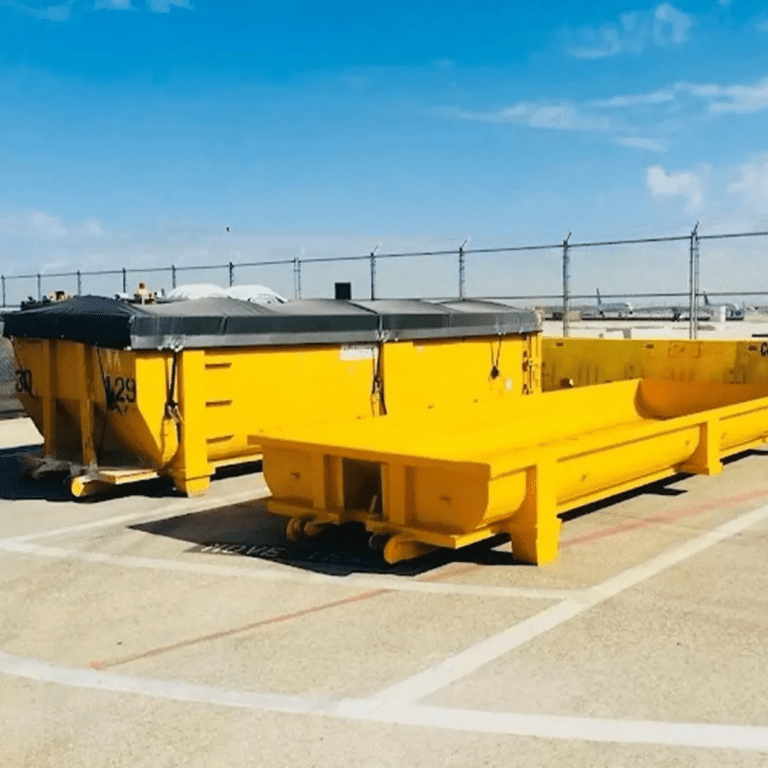
A standard 10-yard container measures roughly 12 feet long, 8 feet wide, and 3.5 feet tall. This compact structural footprint makes it highly convenient for narrow suburban driveways and tight alleyways. Selecting a compact 10-yard dumpster rental provides an excellent waste management asset for smaller cleanups, such as cleaning out a single-car garage, pulling up old linoleum flooring, or removing minor yard debris after a seasonal storm.
20-Yard Containers for Medium Home Renovations
Stepping up to a 20-yard selection yields a container measuring approximately 22 feet long, 8 feet wide, and 4 feet tall. This specific configuration represents the most widely utilized choice for residential improvements. Organizing a comprehensive 20-yard dumpster rental delivers sufficient volume for entire kitchen remodels, extensive carpet replacements, basement clearouts, or replacing old wood fencing across an average-sized backyard yard footprint.
30-Yard Containers for Large Move-Outs and Construction
A 30-yard roll-off dumpster expands the vertical capacity significantly, measuring around 22 feet long, 8 feet wide, and 6 feet tall. Securing a heavy-duty 30 yard dumpster rental is best suited for major structural additions, complete estate cleanouts, multi-room drywall updates, or commercial retail build-outs where light but bulky debris must be contained safely below the side walls.
40-Yard Heavy Industrial Roll-Off Bins
The largest standard size available in the regional marketplace is the 40-yard option, measuring 22 feet long, 8 feet wide, and a commanding 8 feet tall. Investing in a maximum-capacity 40 yard dumpster rental is strictly recommended for commercial contractors executing full building demolitions, large commercial roofing shake-offs, industrial facility clearouts, or vast land clearing initiatives around the Houston metropolitan area.
Cubic Yard Volume and Project Sizing Blueprint
To help you visual out your structural needs and compare material types against physical space limits, use the sizing matrix below. This framework ensures your container matches both your local space restrictions and total structural weight constraints.
| Dumpster Size | Pickup Truck Load Equivalent | Common Material Compatibility | Key Spatial Consideration |
|---|---|---|---|
| 10-Yard Bins | 3 to 4 Truck Beds | Heavy tile, concrete, plaster, dirt, asphalt shingles. | Fits easily on short single-car residential driveways. |
| 20-Yard Bins | 6 to 8 Truck Beds | Drywall, old framing timber, bulky furniture, appliances. | Requires a clear 60-foot linear path for truck delivery. |
| 30-Yard Bins | 9 to 12 Truck Beds | Pallets, packaging materials, tree stumps, carpeting. | Needs high overhead clearance away from low tree branches. |
| 40-Yard Bins | 12 to 15 Truck Beds | Demolition scrap, structural steel, massive junk volumes. | Demands firm concrete surfaces or stable industrial staging zones. |
Material Type and Density Realities
Physical volume is only half of the waste management equation. The structural density of your discarded items plays a massive role in selecting the appropriate bin. Heavy aggregate materials like brick, concrete, stone, dirt, and heavy asphalt roofing shingles consume weight capacity much faster than they fill spatial volume.
For example, loading a massive 40-yard container entirely with dense dirt or concrete chunks will quickly exceed the legal weight transport limits of the delivery vehicle. This can damage your driveway and cause transport safety risks. For heavy debris, smart haulers use small containers to stay within legal weight parameters.
According to the logistical standards outlined by the Equipment Radar Industry Reports:
Miscalculating the weight metrics of raw construction aggregate like concrete and stone often leads to container overloading, forcing dispatchers to request on-site material reduction before transport vehicles can legally travel public highways.
For residential neighborhoods with strict guidelines, look at the City of Houston Public Works codes. These codes outline the weight limits allowed on residential roads to protect neighborhood utility mains and curb infrastructure from stress cracks.
Delivery Logistics and Site Preparation Checklists
Once you select your container dimensions, preparing your job site for arrival ensures a smooth drop-off. Review this brief physical site preparation checklist before your delivery window arrives:
- Overhead Clearance: Ensure there are no low-hanging power lines, communications cables, or decorative tree branches blocking the area. Roll-off hoist systems require up to 22 feet of vertical lift clearance during the unloading process.
- Ground Stability: A filled roll off dumpster exerts thousands of pounds of pressure. Staging the bin on unstable turf or thin asphalt can lead to sinking. Place protective plywood boards along your driveway path to distribute the load evenly.
- Access Boundaries: Keep street access points, entry gates, and adjacent driveways clear of personal vehicles on both drop-off and pickup days. The transport truck requires a straight approach path to guide the steel wheels down safely.
- Permit Approvals: If your driveway layout is too short to house the container, requiring public street placement, ensure you have obtained the necessary municipal right-of-way approvals in advance.
By assessing these variables prior to ordering, you protect your property and avoid dry-run fees. If you need help determining your project metrics, you can easily contact us to review your debris type and build a strategic waste collection schedule.
Don’t risk overpaying for empty space or facing unexpected overage penalties. Request a clear, transparent dumpster rental quote from EZ Waste today to keep your job site safe, efficient, and completely clear of debris.